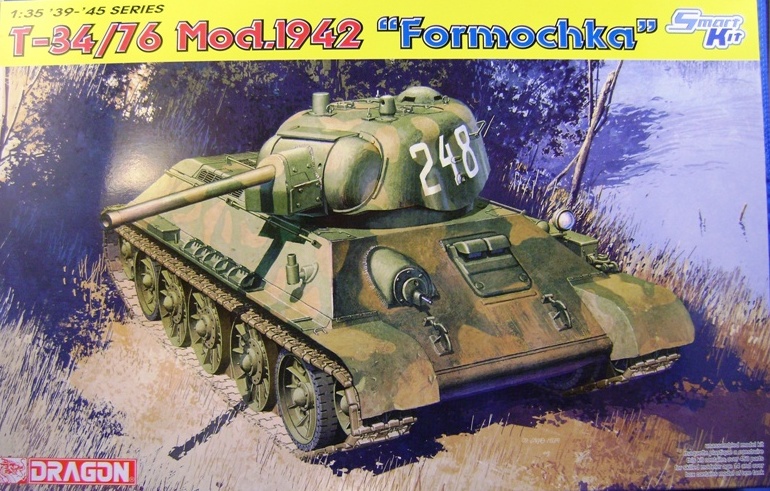
Dragon made effective use of existing sprues and added a small number of new sprues to produce what looks to be another good entry in their T34/76 line of kits. This one represents a comparatively rare version of the T34/76: one equipped with the stamped turret manufactured at the Uralmash plant in Sverdlovsk. 2,670 of the turrets were manufactured and they were supplied to the Chelyabinsk and UZTM tank plants.
Contents
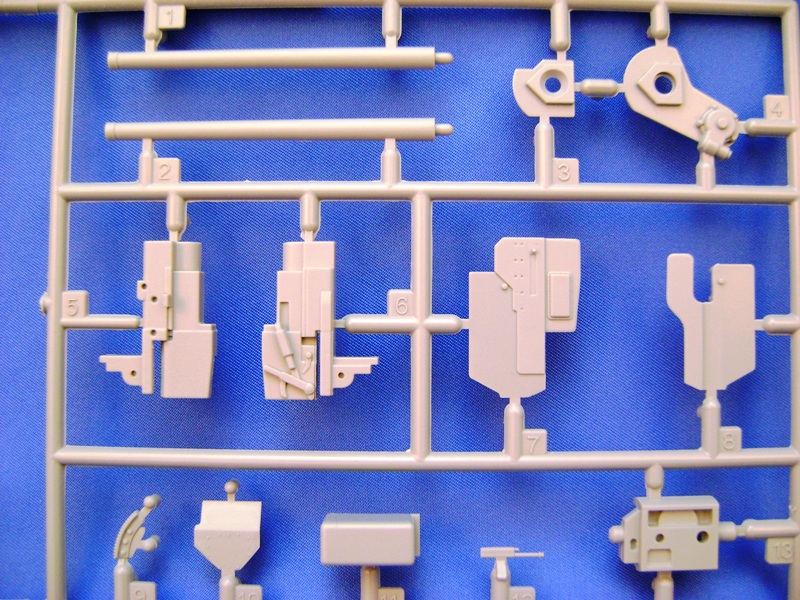
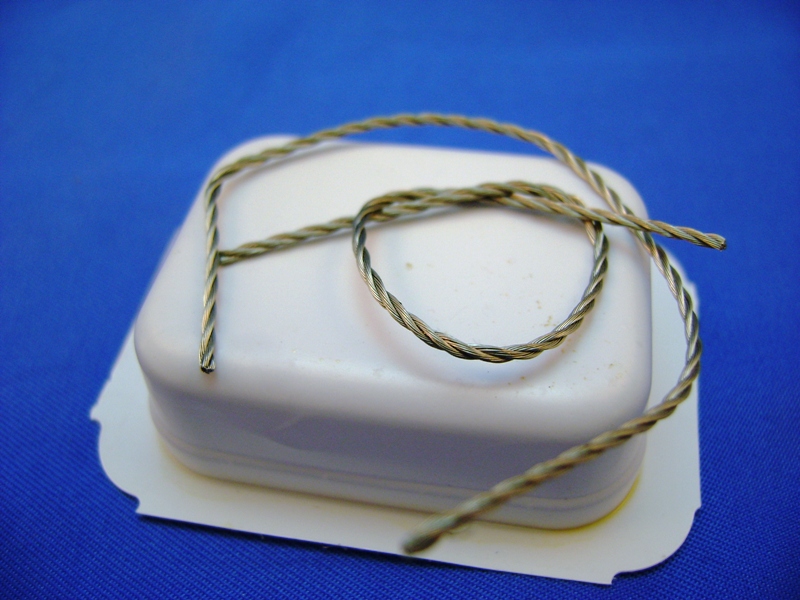
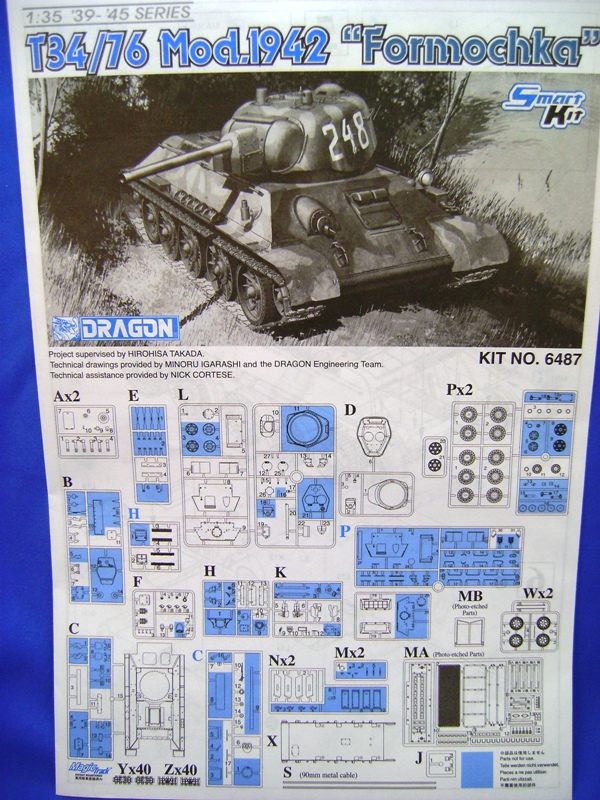
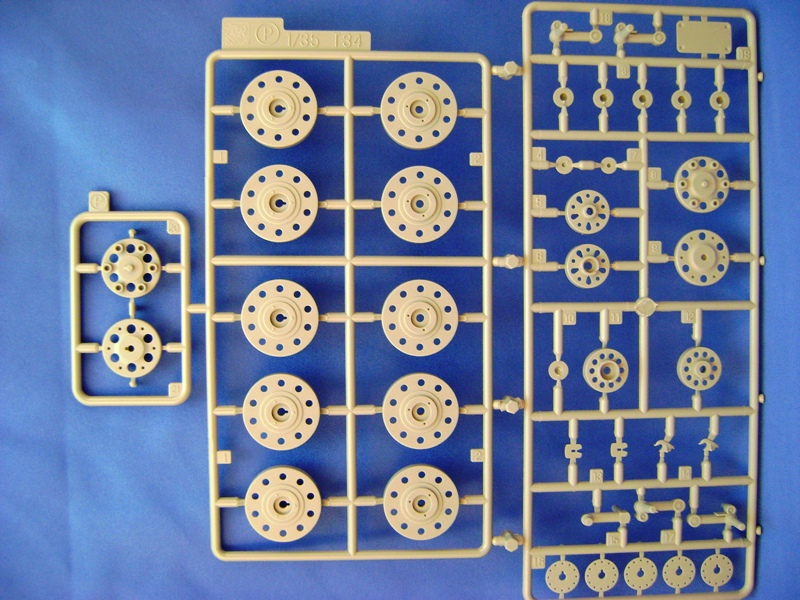
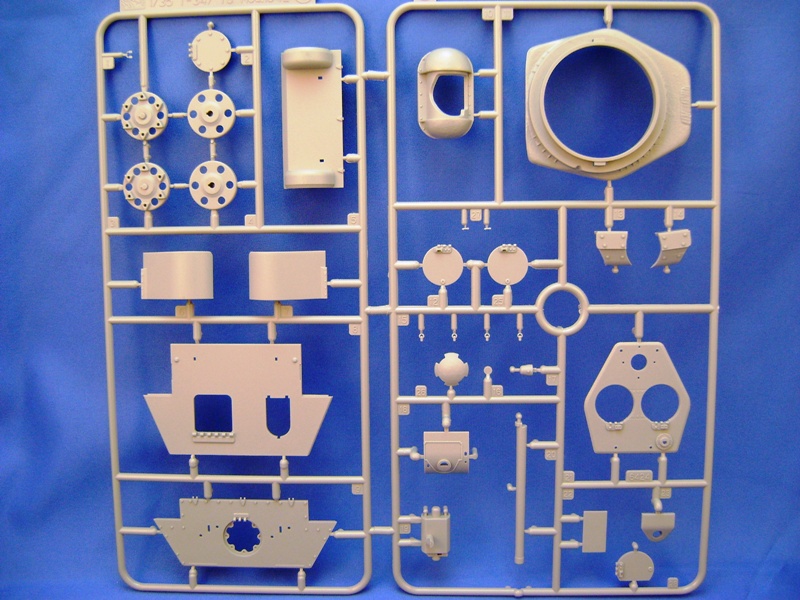
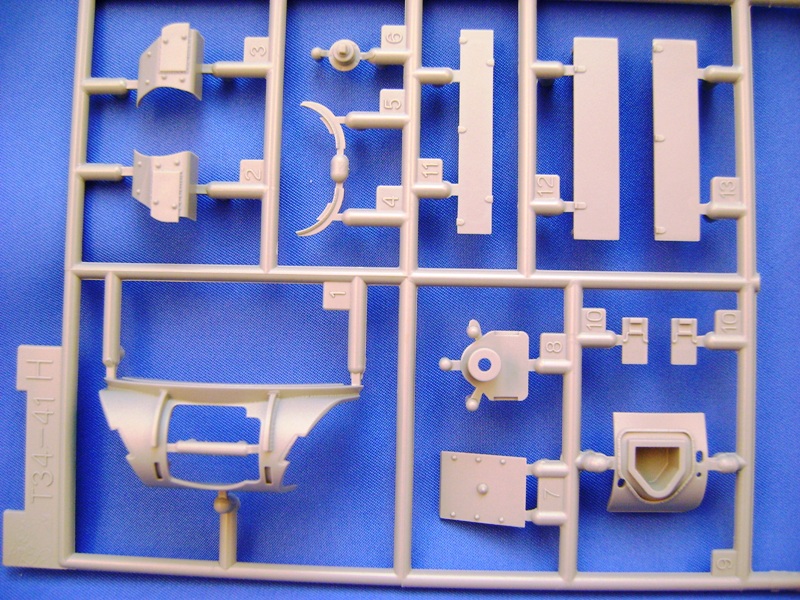
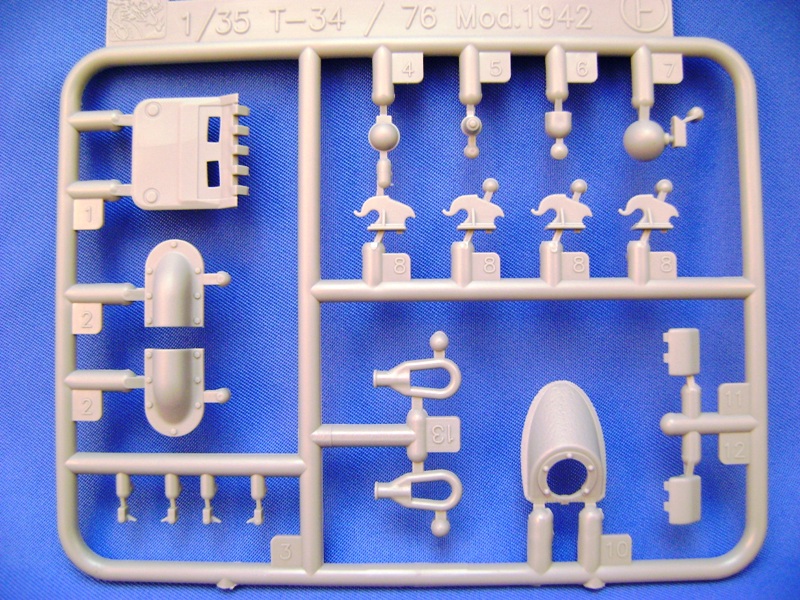
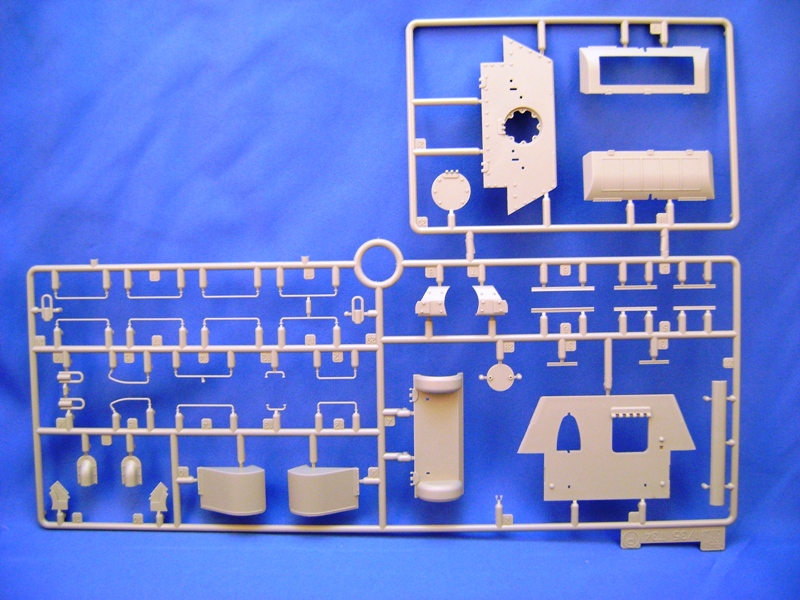
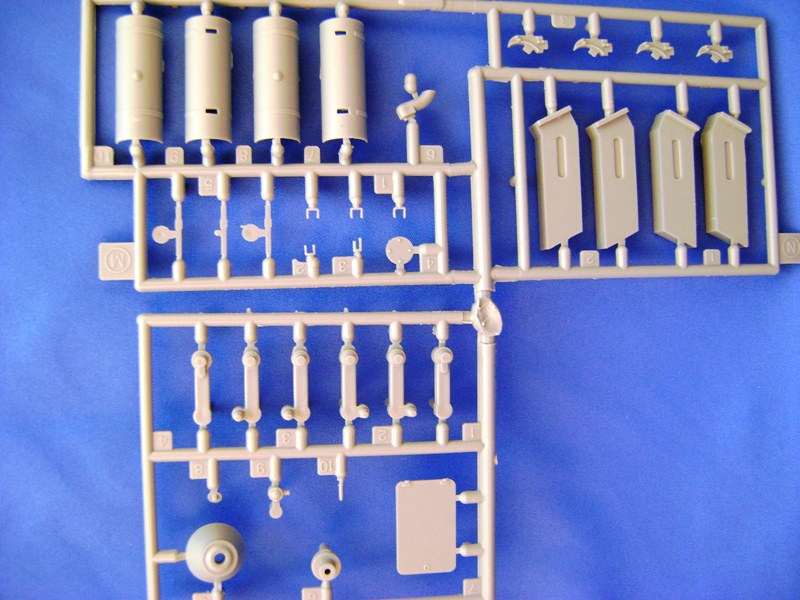
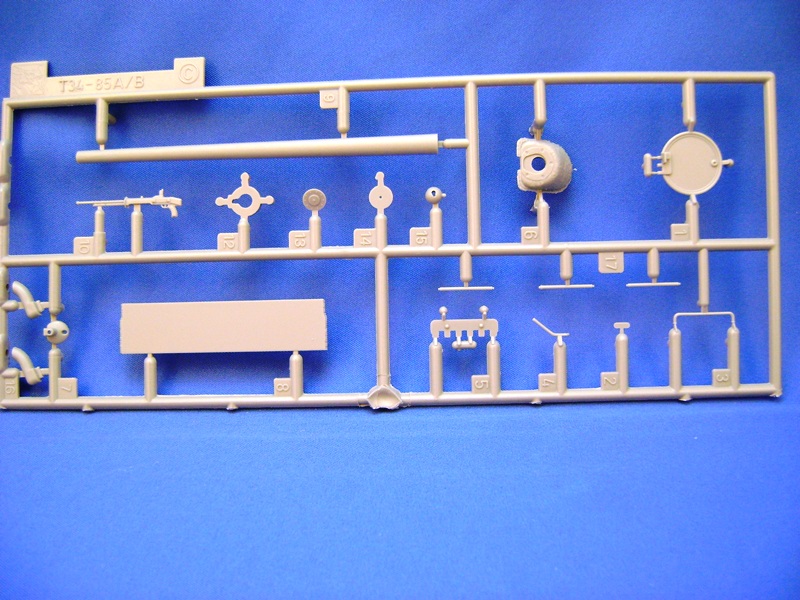
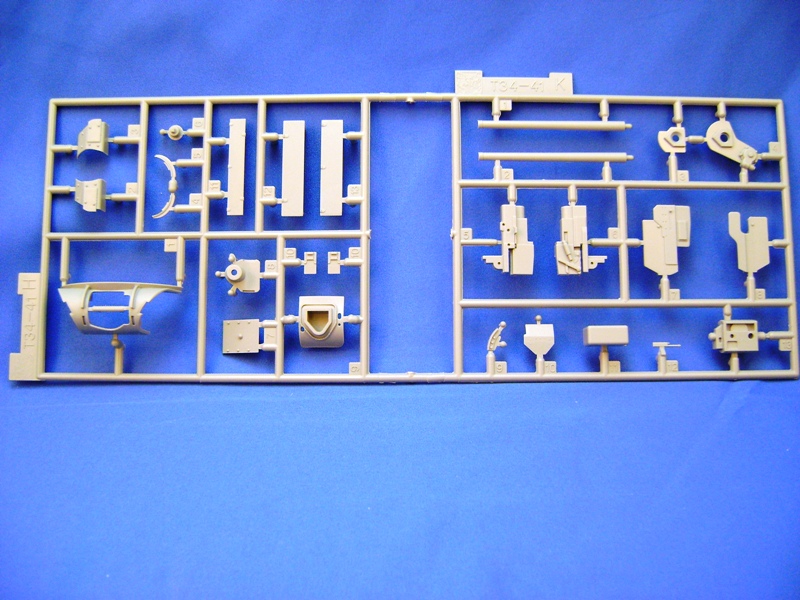
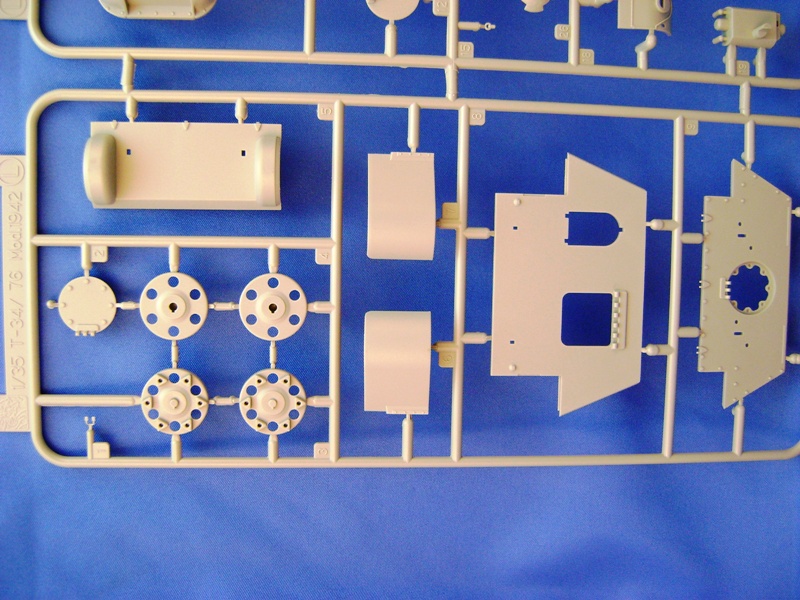
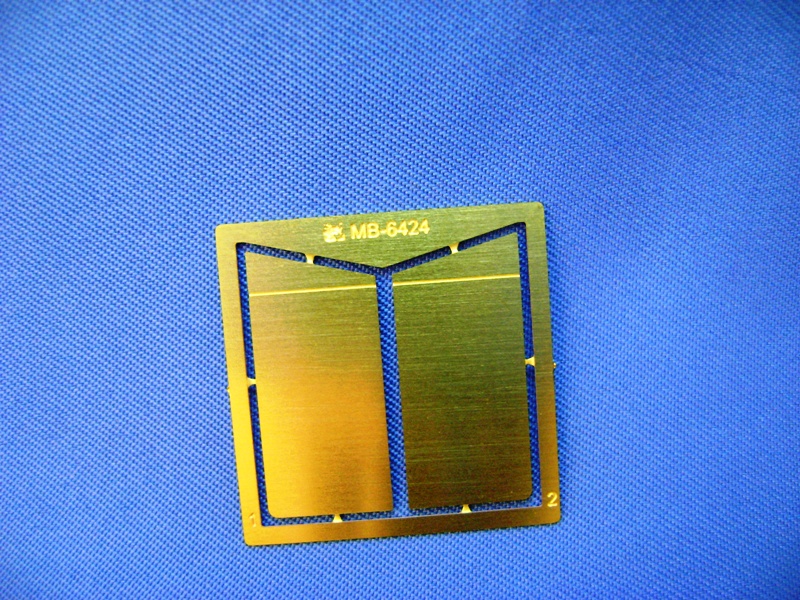
The kit comes packed in a standard Dragon cardboard box, and while there are some options along the way, the box when first opened seems almost empty when compared with their 3-in-1 German kits. By my count, the box contained 16 sprues of parts, including one in clear plastic. There is also a separate lower hull tub. Some of the larger sprues are actually made up of separately marked, but connected, component parts. The instructions indicate a very large number of the parts are not used, which can be assigned to the spares bin. There is a cardboard sheet with 2 frets of photo-etch parts, a bag containing two, quite springy wire cables, and two small bags of Magic Tracks. A quick overall scan revealed little to no flash on the parts.
review
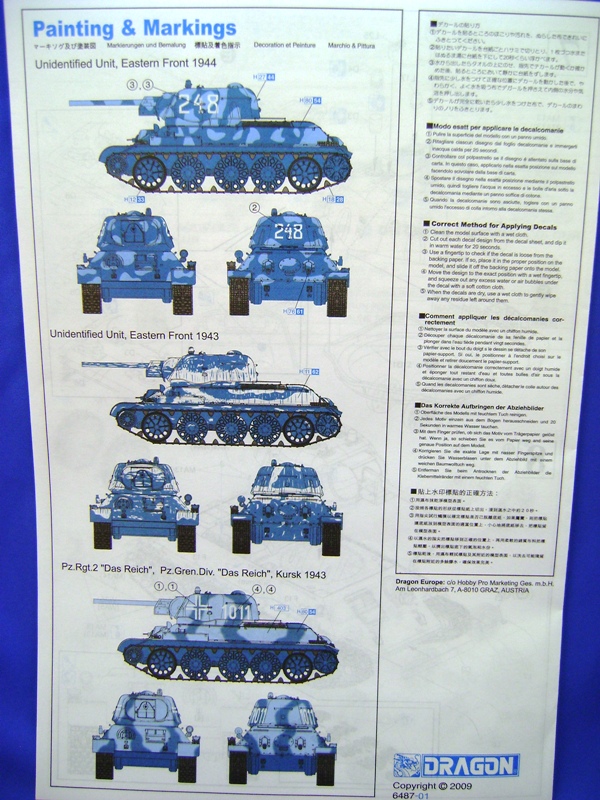
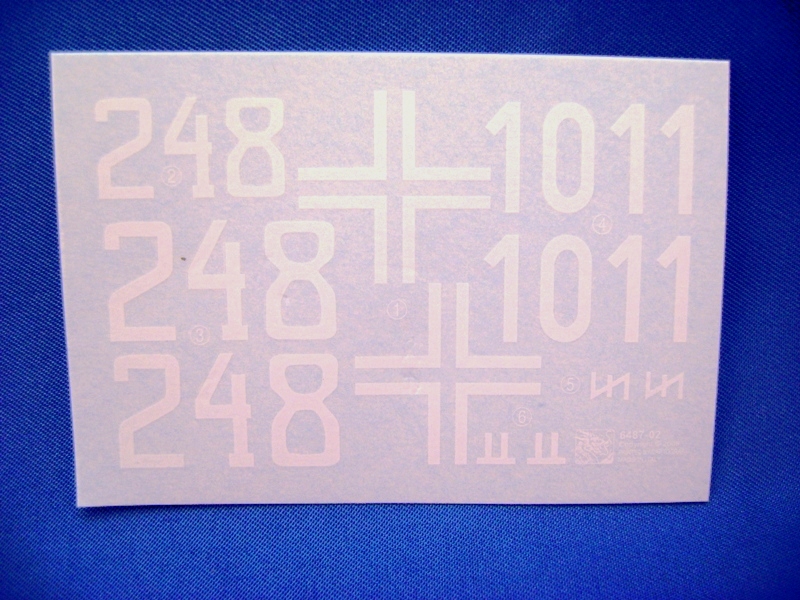
The instructions are the typical Dragon line drawing style divided into 8 steps. While not as busy as the instructions for a 3-in-1 kit, there are options to decide on and molded parts to be removed along the way, so the modeler is advised to carefully review the instructions before starting. There is a small decal sheet providing markings, all in white, for three tanks: 2 unidentified Soviet tanks (one from 1943 and one from 1944) and, ironically, the only markings provided for a specific unit is a beutepanzer from the Das Reich Panzer Regiment from the Das Reich Panzer Grenadier Division at Kursk, 1943.
Also, in another curious note, while the instructions provide a painting guide supposedly in Gunze colors, no key is provided explaining what color the numbers stand for. The box art shows the 1943 Soviet vehicle in dark green with a worn whitewash, and the 1944 vehicle in a two color camouflage of tan over dark green. The German marked vehicle carries a two color camouflage as well: green over dark yellow.
Lower Hull and Tracks:
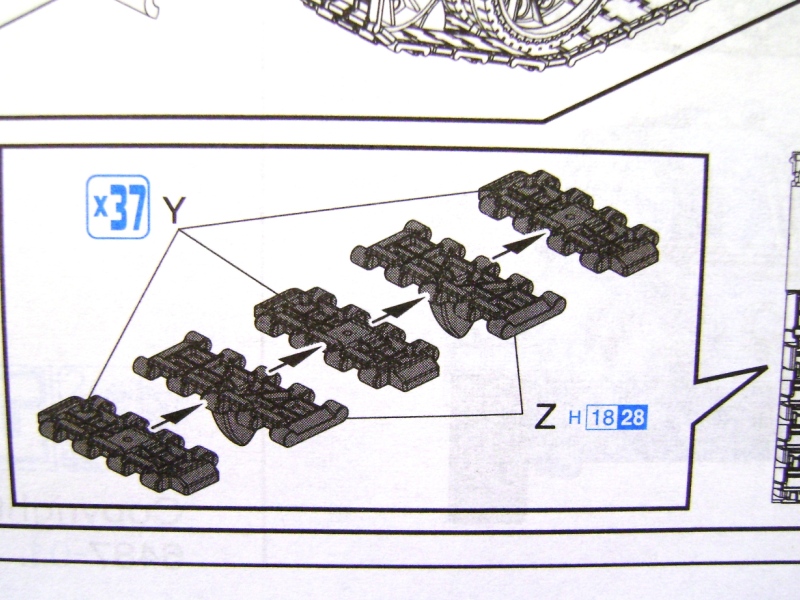
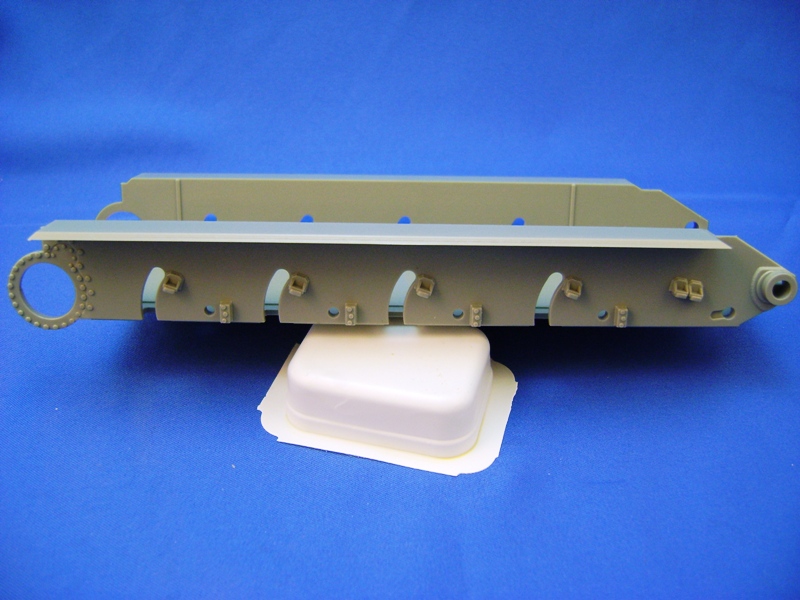
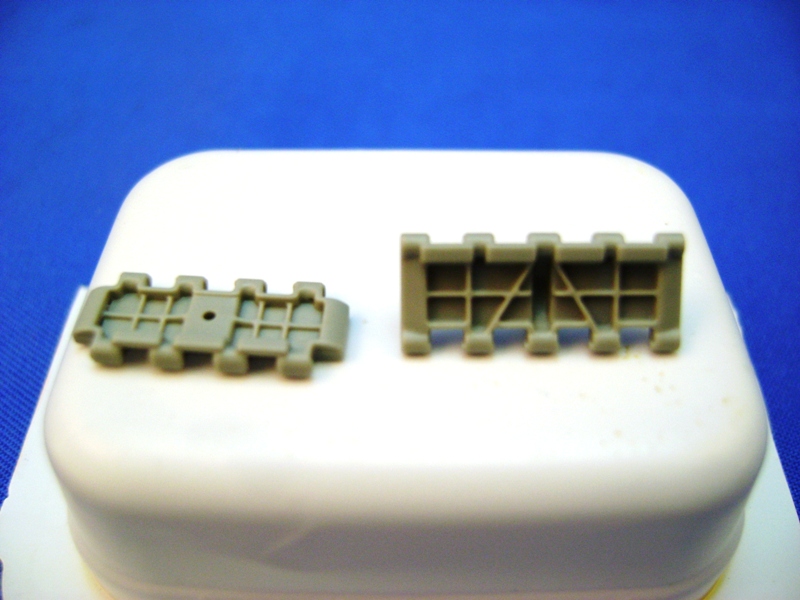
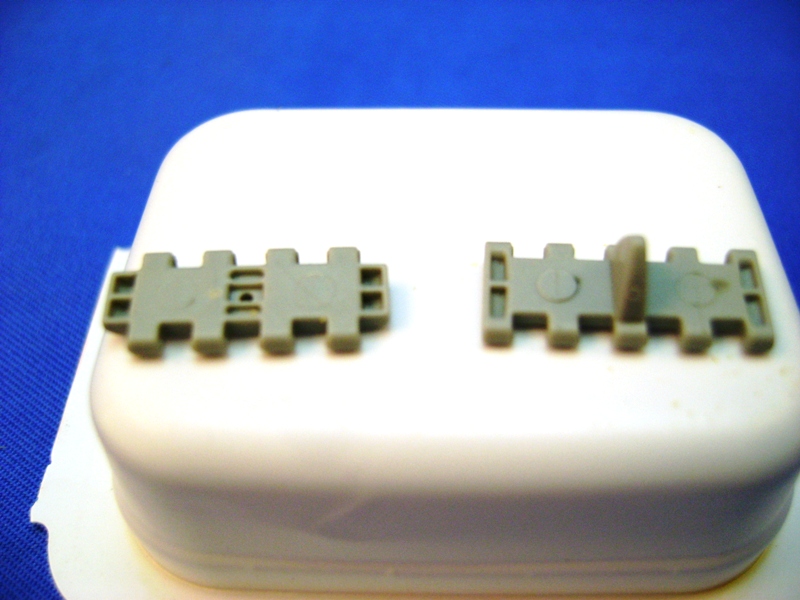
The Magic Tracks come in two bags providing Early Waffle style tracks with each bag containing a different type of link. As can be seen on the picture from the instructions, these alternate on each run of tracks. There are also very large mold extraction points on the inner side of many of the tracks.
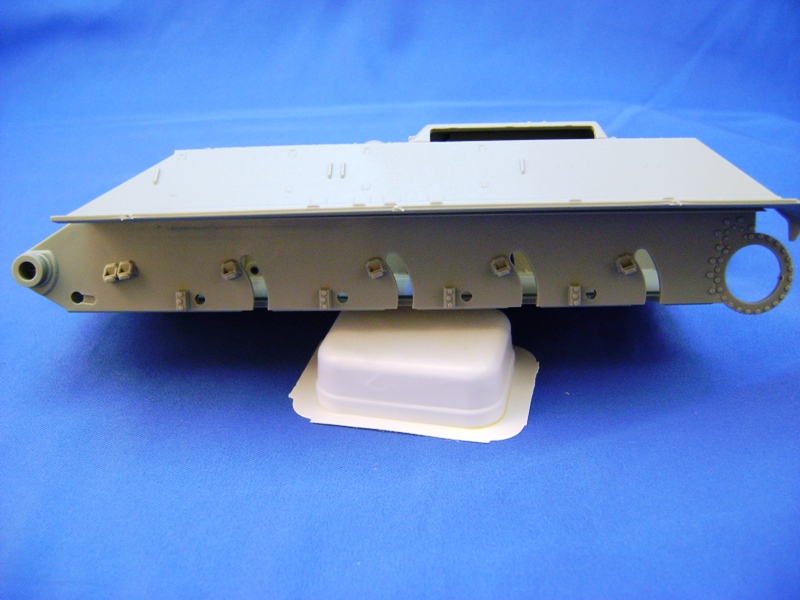
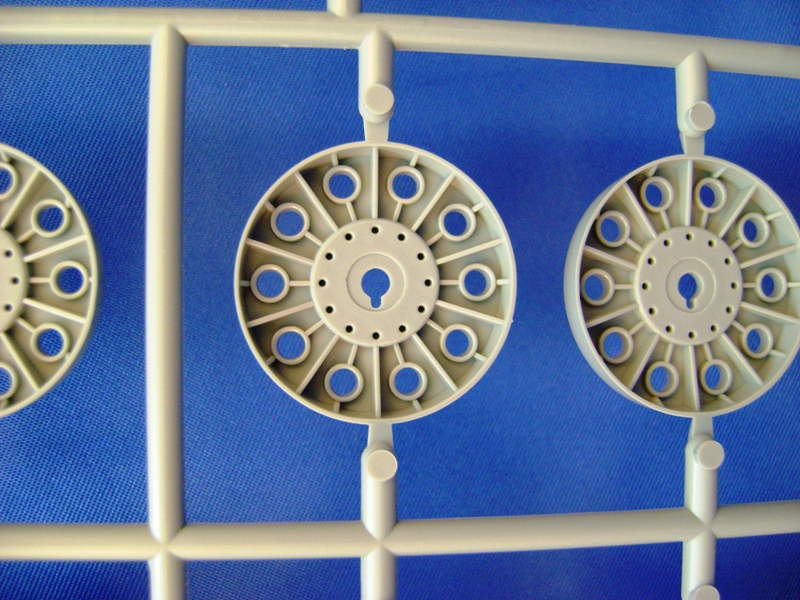
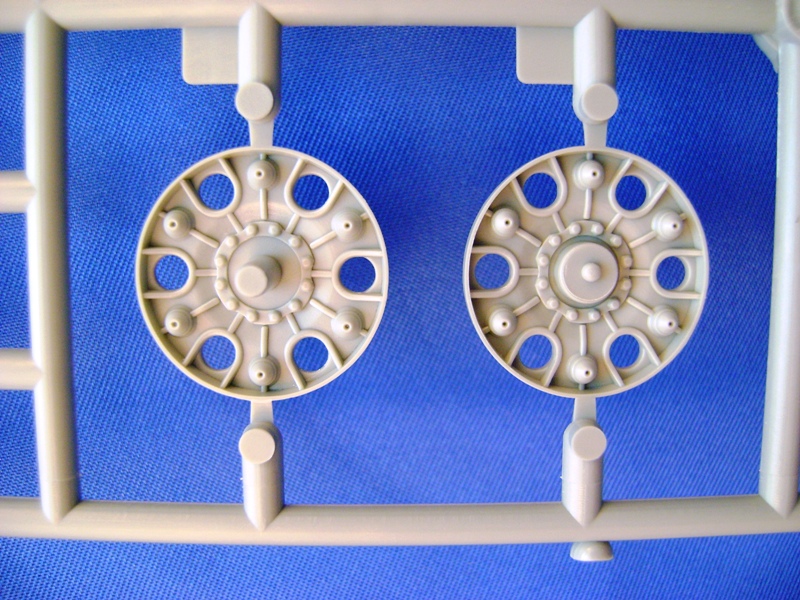
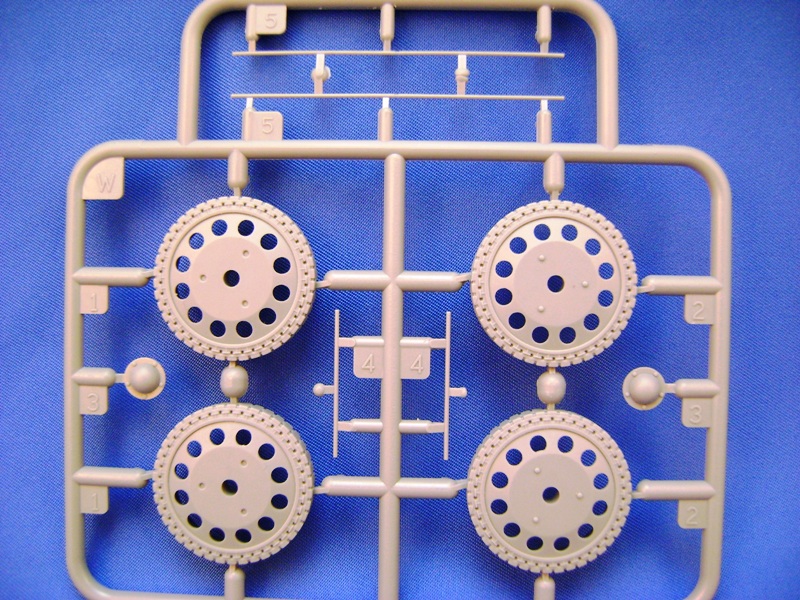
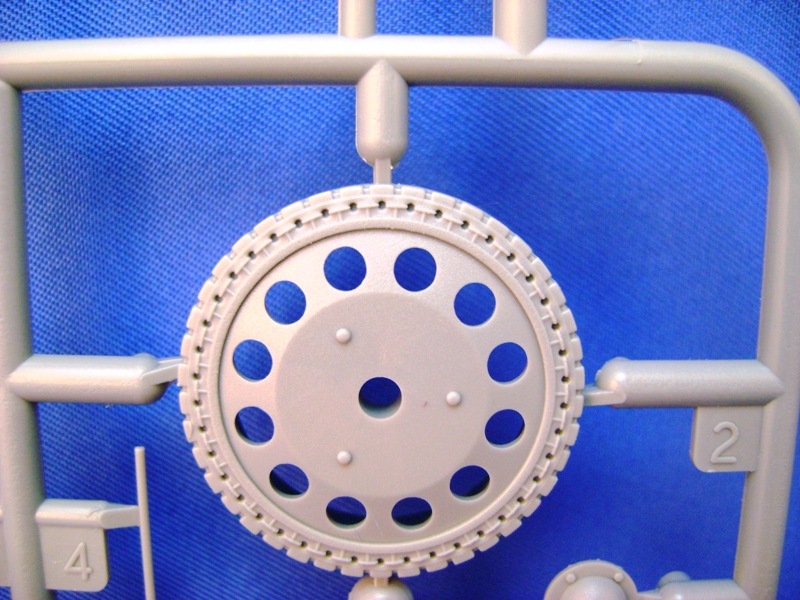
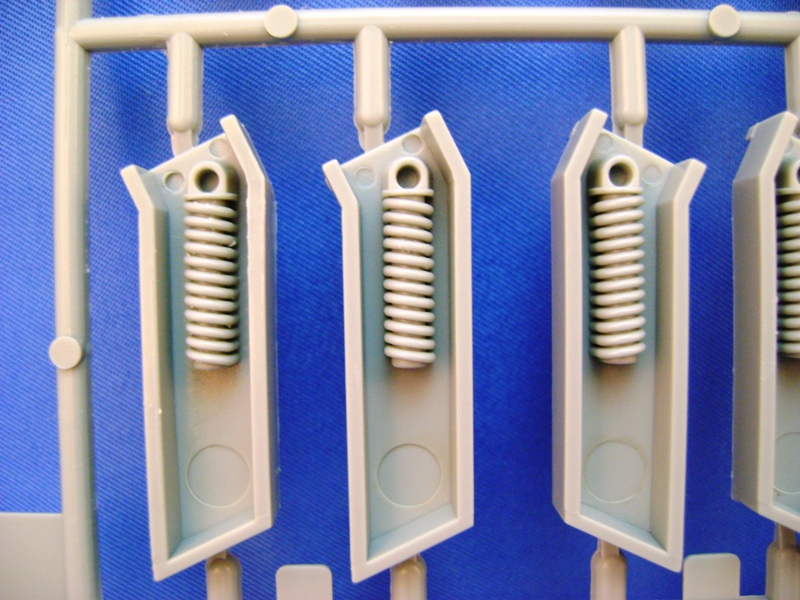
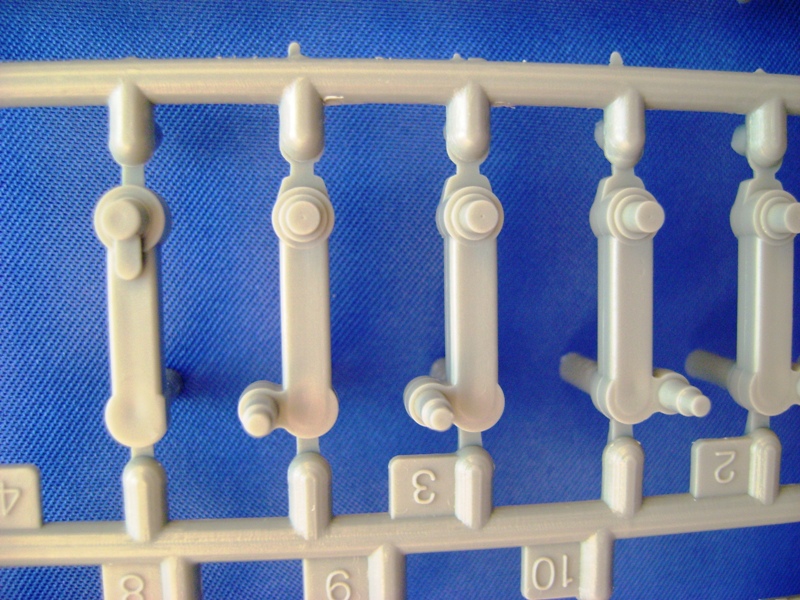
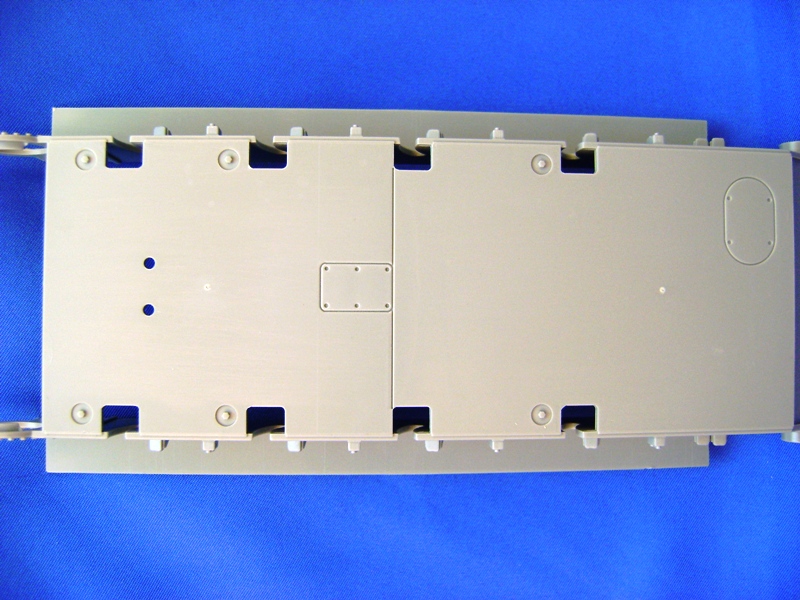
The lower hull comes in a single tub and it is well molded with good detail present, including casting texture, weld seams, and rivets. The kit calls for the use of two different types of roadwheels: (1) pierced rubber rimmed, and (2) all-steel. The detail is superb but there is a mold seam to be addressed on the rubber rimmed roadwheels. In addition, care will need to be exercised when removing the roadwheels from the sprues as there are rather substantial attachment points. There are excellent molded springs for the suspension, but it is doubtful they will be very visible once the roadwheels are attached.
Upper Hull:
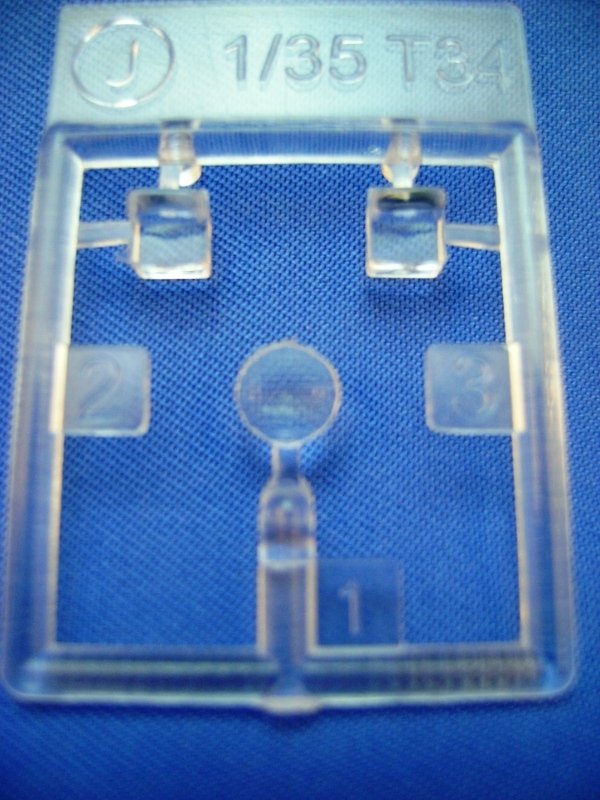
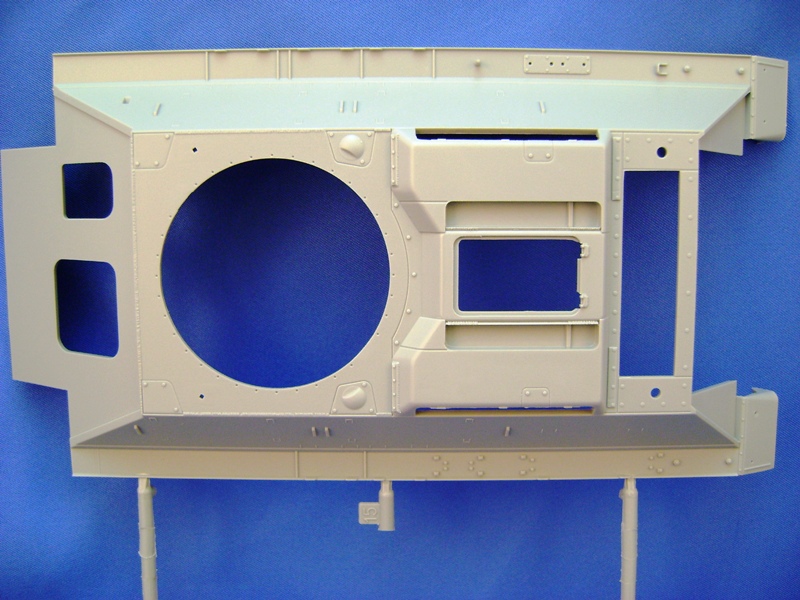
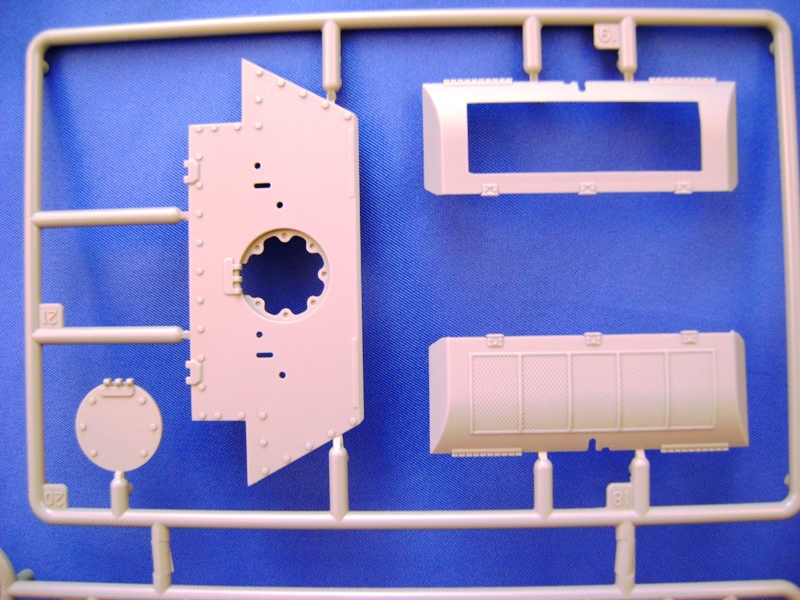
Aware of past reports of fit problems, I did a quick test fit of the upper and lower hull parts and it revealed a good fit. The upper hull has good detail, again featuring weld seams, casting texture, and rivets. The front glacis is a separate part and it has a fine casting texture. There are late model 1942 tow clevises for the front and back. The hull machine gun, while it will be mostly hidden, provides nice detail including a barely perceptible barrel opening. The hull machine gun mounting has very rough casting texture. The driver’s hatch is made up of multiple parts and it appears it must be modeled in the closed position, which is just as well because there is no interior detail provided. The headlight has a nice clear plastic lens so no need to seek out aftermarket there.
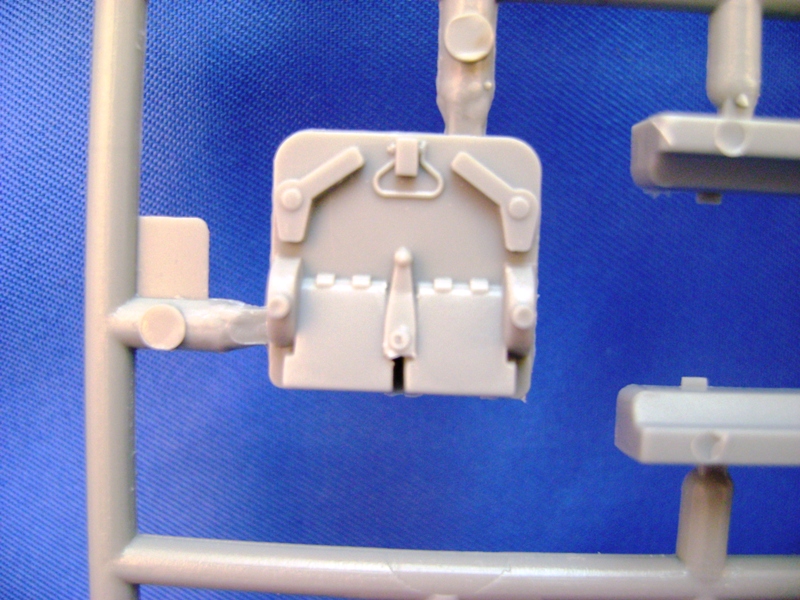
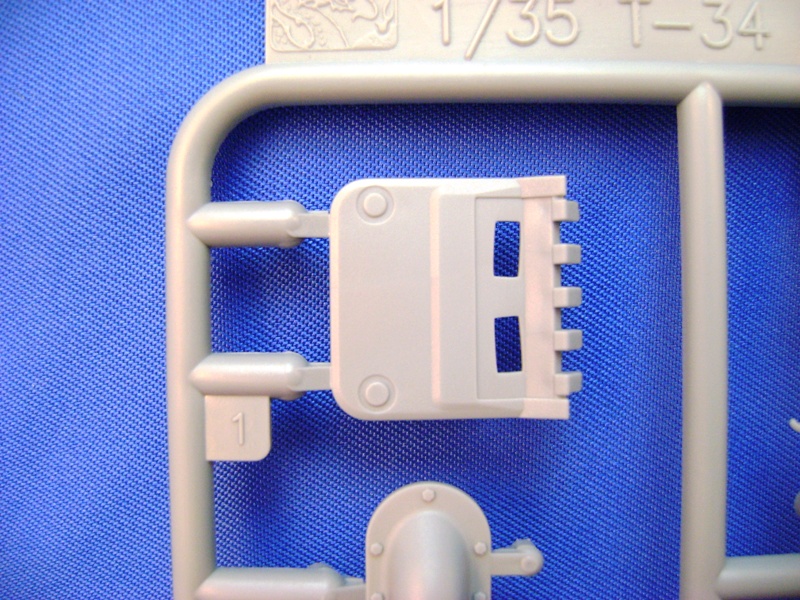
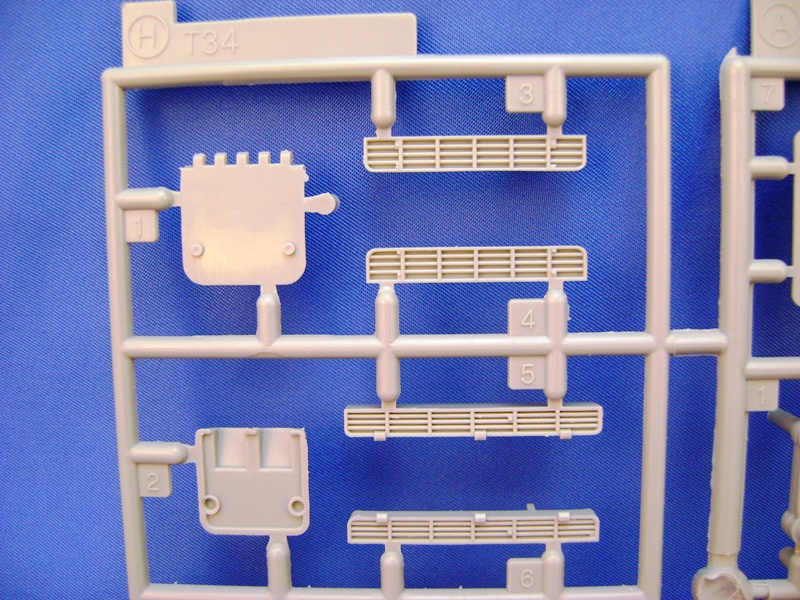
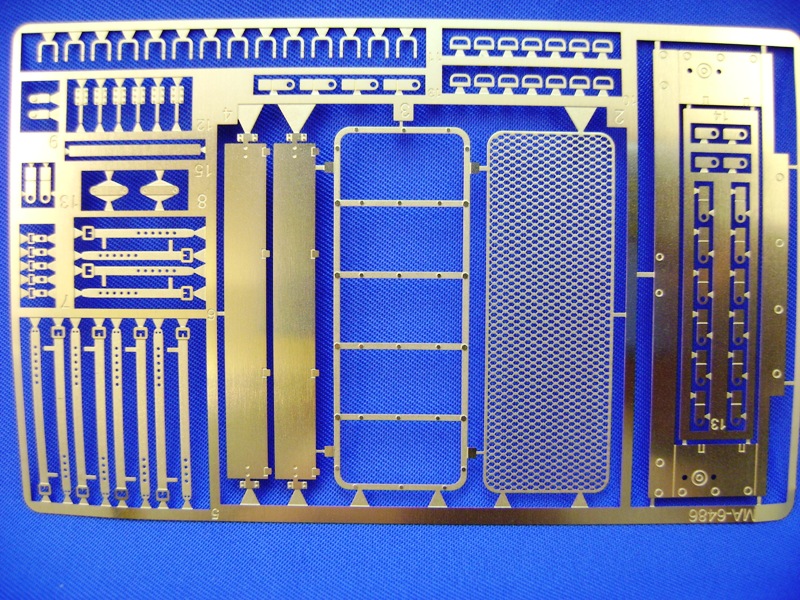
The kit provides photo-etch parts and the modeler has the option to use some of them and must use others. The options begin on the upper hull. The modeler can opt to use part P-18, the plastic engine exhaust screen, or go with part P-19 and give the photo-etch louvers and screens a try. The instructions call for the use of two small fender stowage boxes, one per side. Here the modeler has the option to use the molded on hinges and lock clasps or choose to remove those and use the photo-etch versions. The instructions call for the rear mudguards to be removed and replaced with photo-etch. The hull rear comes as a separate part (L-9) and it has the circular access hatch opening introduced with the 1942 version.
The fenders are molded onto the upper hull. They have beveled edges to give the appearance of scale thickness. The instructions call for the modeler to remove the molded on blob-like handles used for the ice-cleat straps and replace them with photo-etch. There are photo-etch straps as well. There are finely molded, and probably quite fragile, hull hand rails that require the use of photo-etch attachment points. There are also separate plastic front mudguards that have the beveled edge. As already mentioned, the kit contains two, very springy cables but the instructions only call for one cable to be attached. Finally, the instructions do not call for the use of any exterior fuel storage tanks.
The Turret:
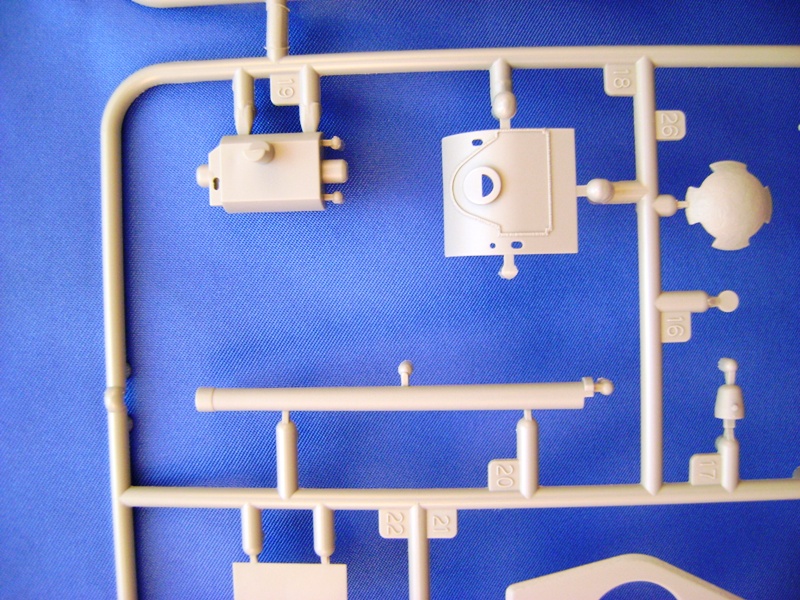
The 76mm gun comes molded as a single piece. There is a mold seam as well as injection nodes and attachment points to be dealt with. The kit uses the Zavod Nr. 92 mantlet. The gun includes a breech.
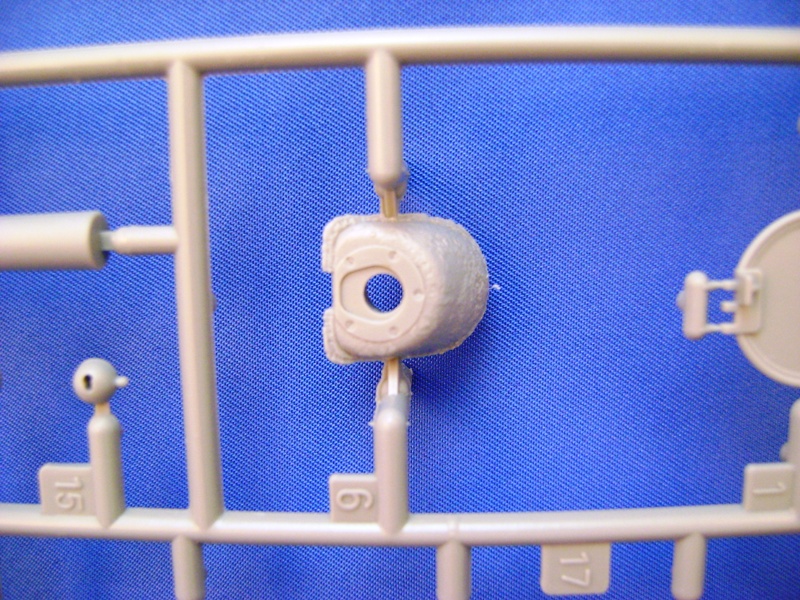
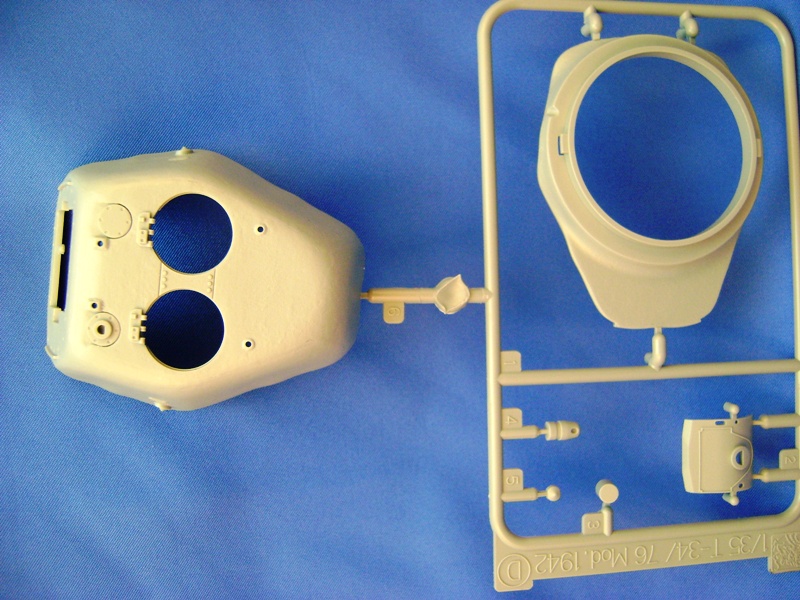
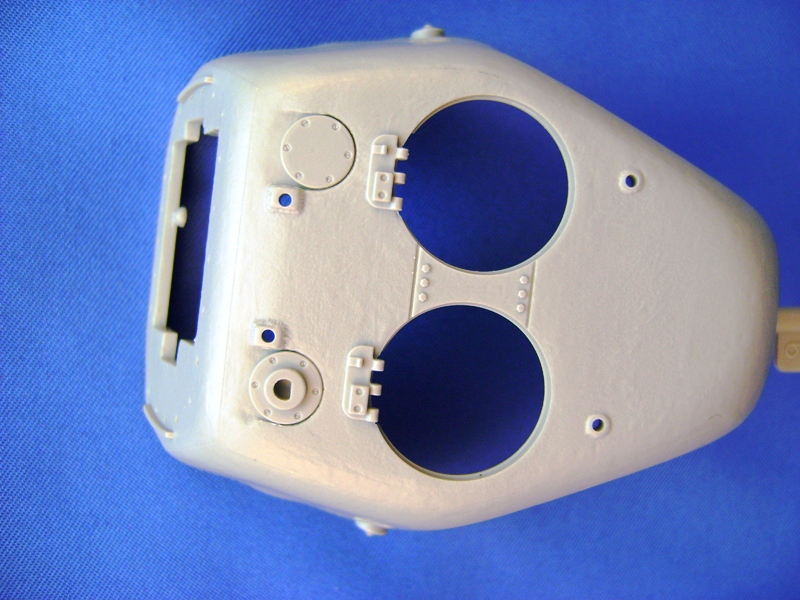
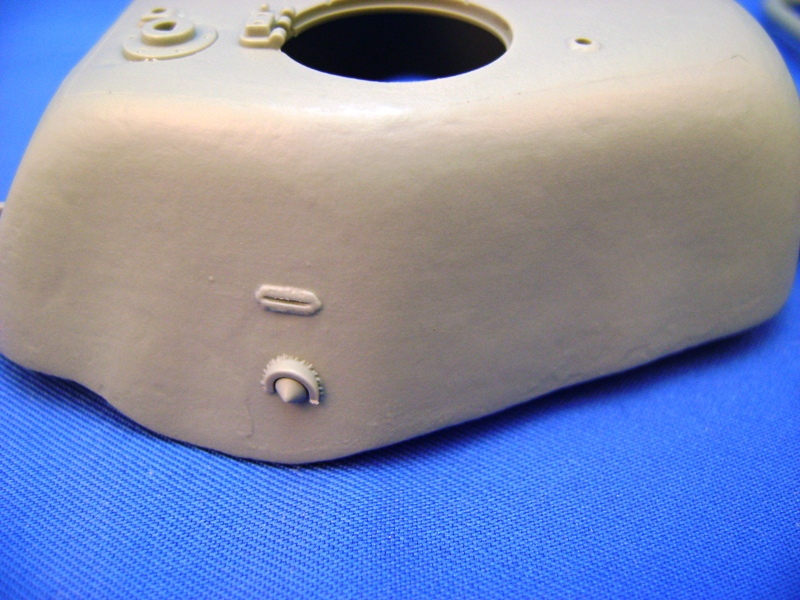
The upper turret is a single piece in the distinctive “stamped” style with two hatches, with some subtle texture. There are three options for turret periscopes: a single PTK-5, double periscopes, and one with a dummy. The instructions offer no guidance on which option to use with the provided markings. Again, there are delicate handholds provided for both turret sides and the rear.
Conclusion:
This looks to be another impressive model in Dragon’s continuing line of T34/76 kits and an excellent use of their mix and match style of putting many different variants of a vehicle on the market.
SUMMARY
Highs: A very good entry in Dragon's Smart Kit line: good detail, minimal photo-etch, and often with the option to use a plastic part instead. Lows: There are no markings for identified Soviet tanks of this version included in the kit. Also, there are very noticeable mold extraction marks on the track links that look very difficult to remove.Verdict: Overall, this looks like another very nice kit in Dragon's T34/76 line.
Our Thanks to Dragon USA! This item was provided by them for the purpose of having it reviewed on this KitMaker Network site. If you would like your kit, book, or product reviewed, please contact us.
Hi Keith , good review but I have found several problems with the kit , there are several missing instructions for parts used , the wrong photo etch for the rear engine cover it should have square edges not rounded.
The hull is shown with only one bump stop and it has two from the old kits .
The turret base stands proud when it should be under the turret lip . Which is not sharp but blunted.
The wrong retaining lugs to the towing hooks .
No mention of using the round fuel tanks which are not complete parts missing .
Good enough as a start but needs research to bring it up to a good standard.
Mine is nearly ready for primer . cheers ian
Doesn't look to bad.
On the tracks friuls are the only way to go on a T/34.
Armo has or made a Turret correct?
I think I used one about 14 years ago to put on my Tamiya T/34,or am I way off and just a blabbering fool early in the AM.
Hi Keith go the the link and scroll down left hand side till you come to the section you want . Then study the lower edge to the turret you will see what i mean . cheers ian
LINK
Hi Ian,
I understand your point regarding the edges clearly - true indeed. And thanks for that splendid Russian link you've just included - it has provided much much closeup shots on the T-34s and other Russian AFVs that's quite lacking on the internet these days. Would help me detail my hex-turreted T-34, KVs, JS-2/3s, and all modern types.
Mark, to use a loose analogy - just imaging placing a cloth over a table. The hanging edges towards the bottom should produce a straight down edge, instead of curving towards the insides. That's how I envisioned this version of the (actual) T-34 turret to be.
Cheers,
Lawrence
OK, I think I'm following you.
One thing to note is that there seems to be a lot of variation in how the forged upper turret shell was cut along the lower edge, not in general form but in detail if you follow me. You can see this in the hand full of examples that are still around.
On some (most that I have good photos for really) there is a pronounced "lip", most notably along the front edge, where the lower casting/turret ring sits down from the upper forging.
This does not seem to be the case for the rear of the turret.
One detail that DML missed on the turret (and it would have been tough to replicate) is the "wrinklyness" of the lower sides of the forging.
I haven't bought the kit yet (I'm still waiting for a good sale price) but I'm looking forward to trying my hand at reproducing that look.
Mark





















Comments